Ingredients For Baking

Eggs

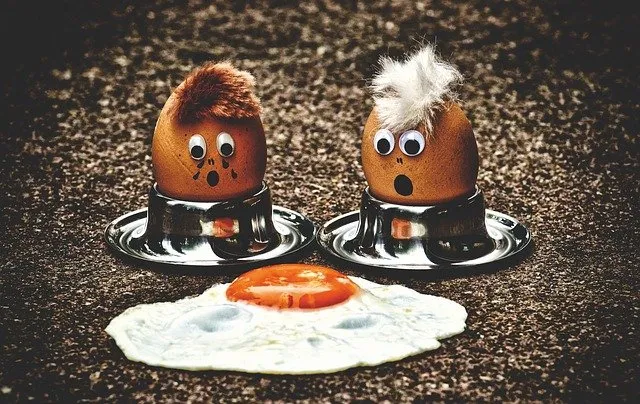
What happened to Bert?

There are a range of edible birds’ eggs available in the United Kingdom. Not all of these eggs are used in conventional baking, though they could be substituted if deemed relevant to the dish. I would expect though that some varieties would be considered a ‘vanity’ project rather than a necessary inclusion.

The first part of this egg section will cover the egg varieties, and will include information on when seasonably available, size, and possible use.

It will be amusing to begin with the smallest egg, leading to the largest available. Can you guess which they are? 

Please contact me with details of how YOU have used these eggs.  It will make a fascinating compendium!

Eggs

Types of Eggs Available in Britain (For Culinary Use)

Quails Eggs

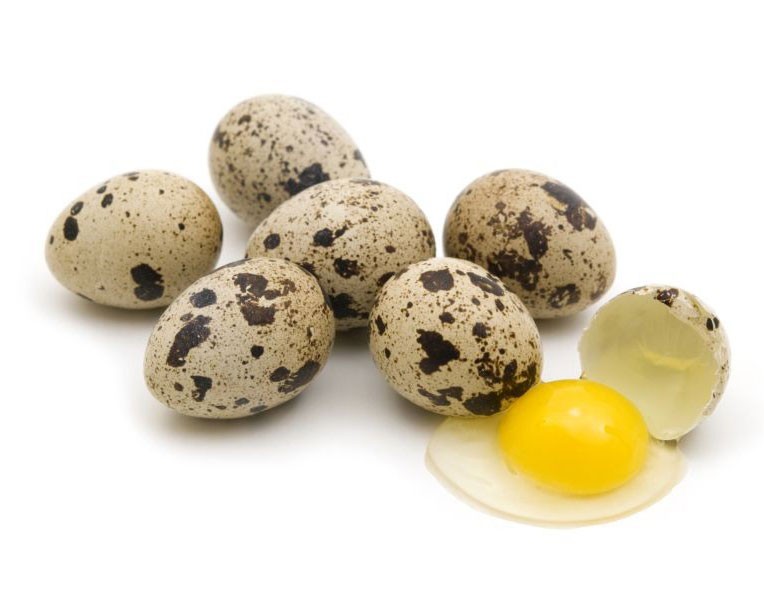
These are the smallest of eggs used in Catering. Mostly for garnish and canapes, they also play their part at the start of a meal.

Although the shells are beautiful, with a light beige coloured shell, and brown speckled markings, this is never seen in the presented dish unless you want to make a feature of them.

Quails’ eggs have a more intense flavour than hens’ egg, with slightly more yolk to white. Quick to cook only 30 seconds soft boiled, or 1 minute hard boiled, when added raw to boiling water. It is important you time them as they can quickly overcook. Take out immediately and place into a bowl of iced water to stop the cooking process.

I love to make individual miniature pork pies with a soft quails egg in the centre. The same principle with miniature quiche too. Pre-baked tartlet cases filled with a spinach custard. Then break a raw quails egg into the centre and bake in a moderate oven until sufficiently set. Absolutely yummy, especially if you serve with shredded smoked salmon on top.

Quails eggs are available all year round. 

Pheasant Eggs

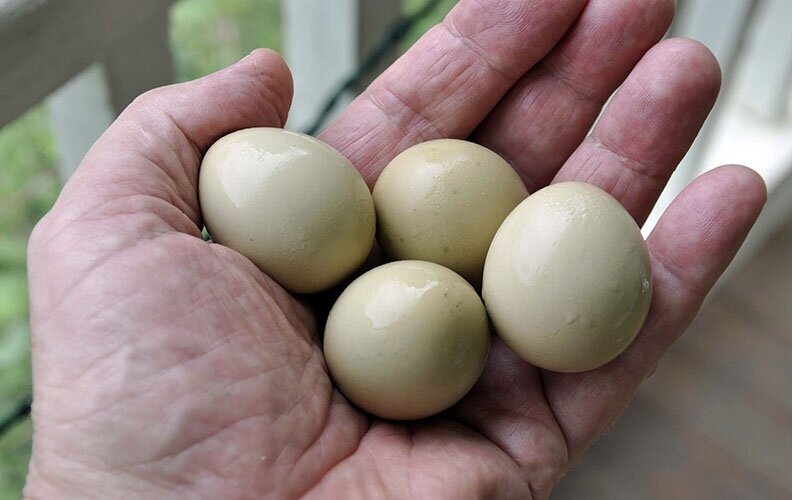
Pheasant Eggs are half the size of a hen’s egg, and twice the size of a quail’s egg. Unfortunately, they have a limited use not really suitable for baking with. This is a shame as they are absolutely delicious.

Pheasants produce another beautiful egg. Mostly olive green in colour, sometimes also blue, and brown.

They have a stronger flavour than hen eggs but not as strong as a duck eggs. The glory of pheasants’ eggs is the lovely yellow yolk.

To get the best out of this egg softly boil, or poach. Serve with celery salt, and buttered toast. The wonderful flavour just shines through.

Pheasant eggs are available from March to August 

Bantam Eggs

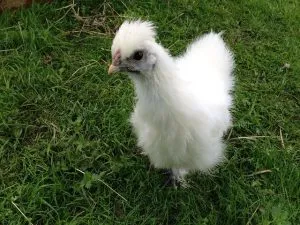
Bantams are just small chickens who produce smaller eggs. Understand, with most birds, the size of the bird denotes the size of the egg.

The popularity of Bantams and their eggs have seen the development of different bantam ‘types’. The Silky shown here is typical of a ‘breed of Bantam’.

The Bantam egg is exactly the same, and has the same uses as a normal chicken’s egg. You just need more of them! Usually, totally free range from small producers, they carry a premium price so are not usually commercially viable.

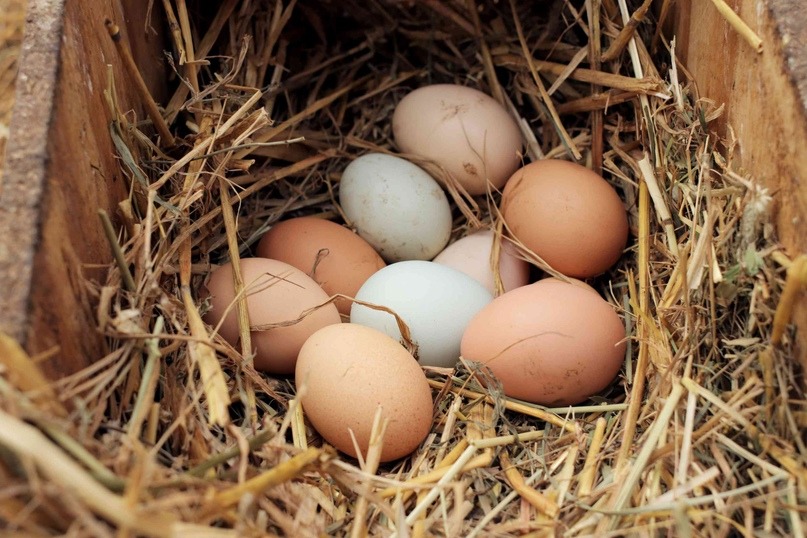
Bantam eggs come in all the usual chicken egg colours, from white through to dark brown.

As a more ‘specialised’ bird they are not large scale commercially bred. The Bantam egg has limited availability usually from February to September. 

Gulls Eggs

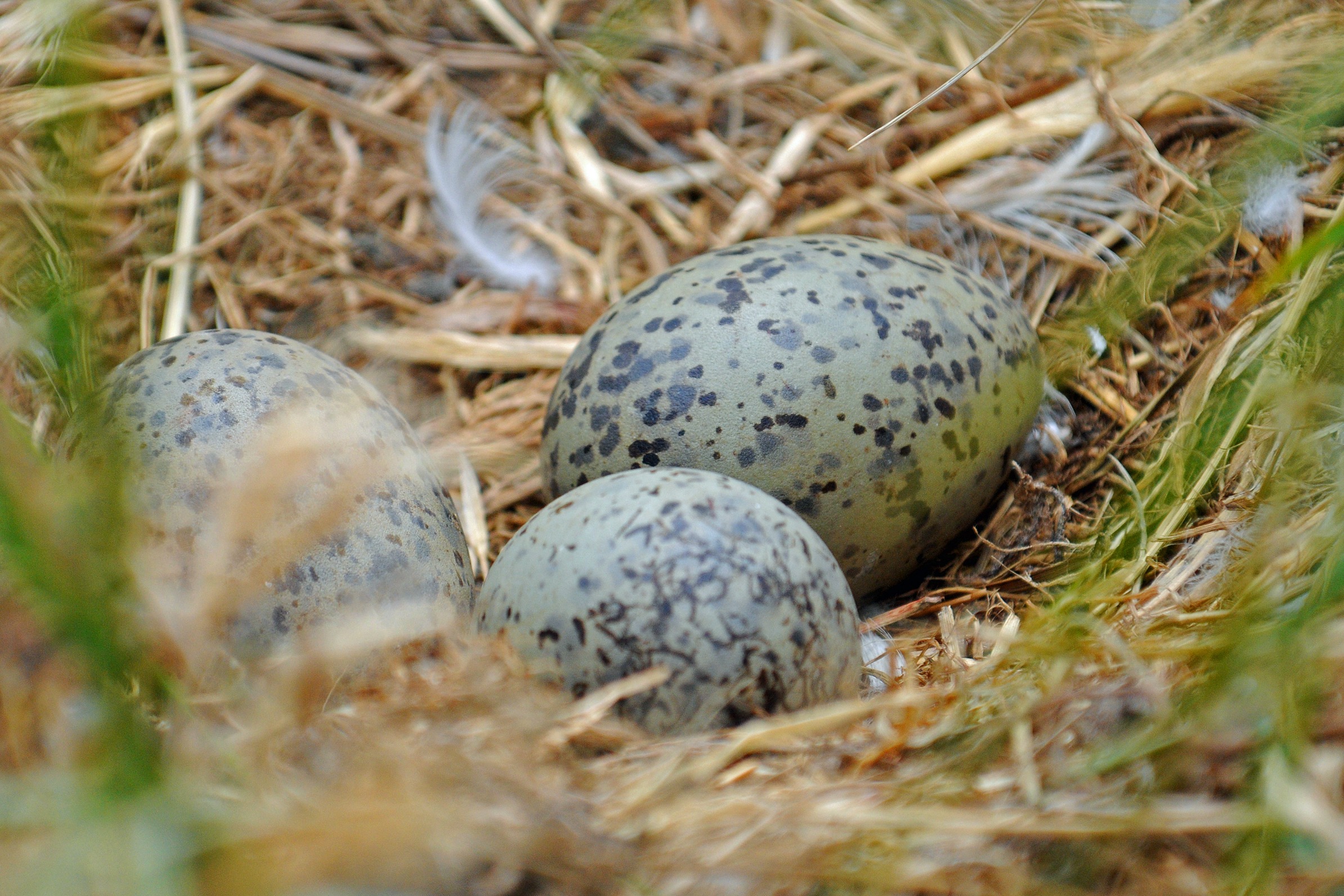
The eggs of the black-headed gull are considered a delicacy by some in the UK and are eaten hard-boiled.[25][26] The collection of black-headed gull eggs is heavily regulated by the UK government. Eggs may only be taken by a small number of licensed individuals at six sites between April 1 and May 15 each year and only a single egg may be taken from each nest. No eggs are permitted to be sold after June 30. As the gulls tend to lay in late April and early May, the eggs are in effect, only available to purchase for 3 or 4 weeks per year.[27]

This is an excerpt from Wikipedia.org

Click on the links above for a fuller explanation of this fascinating subject.  In particular, click on ‘delicacy’ here, (or above), for a fuller account of culinary usage. 

Guinea Fowl Eggs

An excellent article on this topic was published in Country Life. (2016).  Guinea Fowl are fully covered in a very interesting and informative way.  Click on the link here to read it.

This hardy bird originated in Africa. It was the Romans who first introduced Guinea Fowl into Europe. Very popular for meat, Guinea Fowl eggs, unlike other birds, are extremely strong shelled and sometimes difficult to break. The eggs unfortunately are not readily available commercially.

Guinea Fowl are larger than an average chicken but smaller than a turkey. Tasty roasted, and with a slightly ‘gamy’ meat, casserole very well.

They are surprisingly smaller than hen eggs, about the size of a bantam egg. Substitute two in your recipe if using instead of hen eggs.

Guinea Fowl eggs are a lovely beige to light brown in colour, with a delicious rich and creamy flavour. Hard boil them and serve halved on a Salad Nicoise. In fact, they can be used as an alternative to hens’ eggs if wanted. Scrambled they are truly delicious. Price and availability are the stumbling block here!

Guinea fowl don’t lay eggs year-round. They mostly lay eggs between March to October. 

Chicken (Hen) Eggs

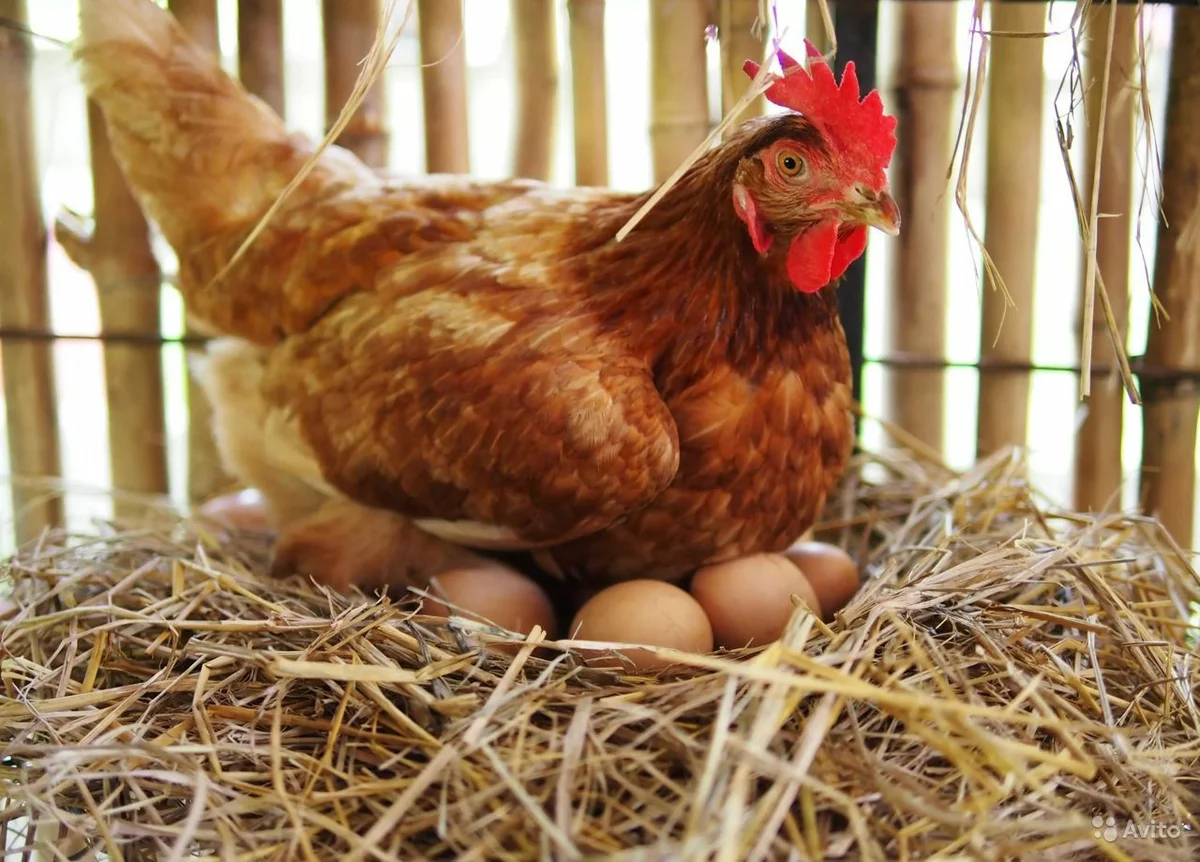
Chicken eggs are the most commercially available of all varieties of eggs, and used extensively in all areas of cooking where eggs are required.

Mass production where thousands of birds are kept in ‘factories’ inhumanely, and kept without the ability to move around. This type of production has lost favour within the UK regardless of how inexpensive the eggs are to purchase.

Replaced now by Barn Eggs. The bird’s live their lives in large barns, able to move about at will, and socialise, but still always inside. Barn eggs are cheaper than free range.

A good percentage of hen eggs sold today are free range. Well, they do have access to outside at will, baring in mind the commercial producers have to make a profit. The birds have access to a smaller fenced area outside, at will.

You can get truly free-range hen eggs from smaller producers. They are much more expensive as numbers produced are significantly smaller.

Hen eggs are available all year round. 

Duck Eggs

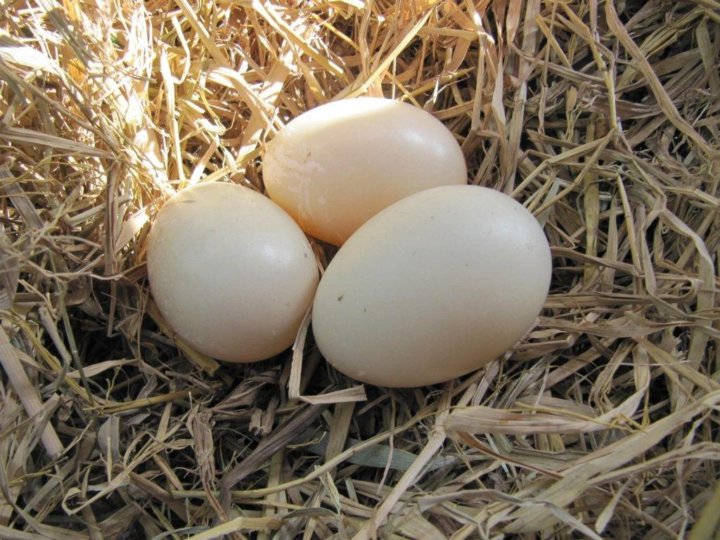
Duck Eggs are slightly bigger than Chicken Eggs both in total size, and size of yolk. Like hens eggs, colour of shell is dependent upon variety of bird. They can be white through to light blue in colour.

Duck eggs have a rich and creamy flavour. The yolk is light which makes them very useful in all areas of baking. Use as the egg in Scotch Eggs. Wonderful, especially if you use a stronger meat, black pudding, or fruit stuffing (apricot is my favourite), within the sausage meat surround.

Commercially, duck eggs are mostly available from small free range producers, therefore more expensive than a hen egg.

Soft boil: 2½-4 minutes (dependent on size)

Hard boil: 6-10 minutes (dependent on size)

Duck eggs are available all year round though wild ducks only lay between March and September. 

Turkey Eggs

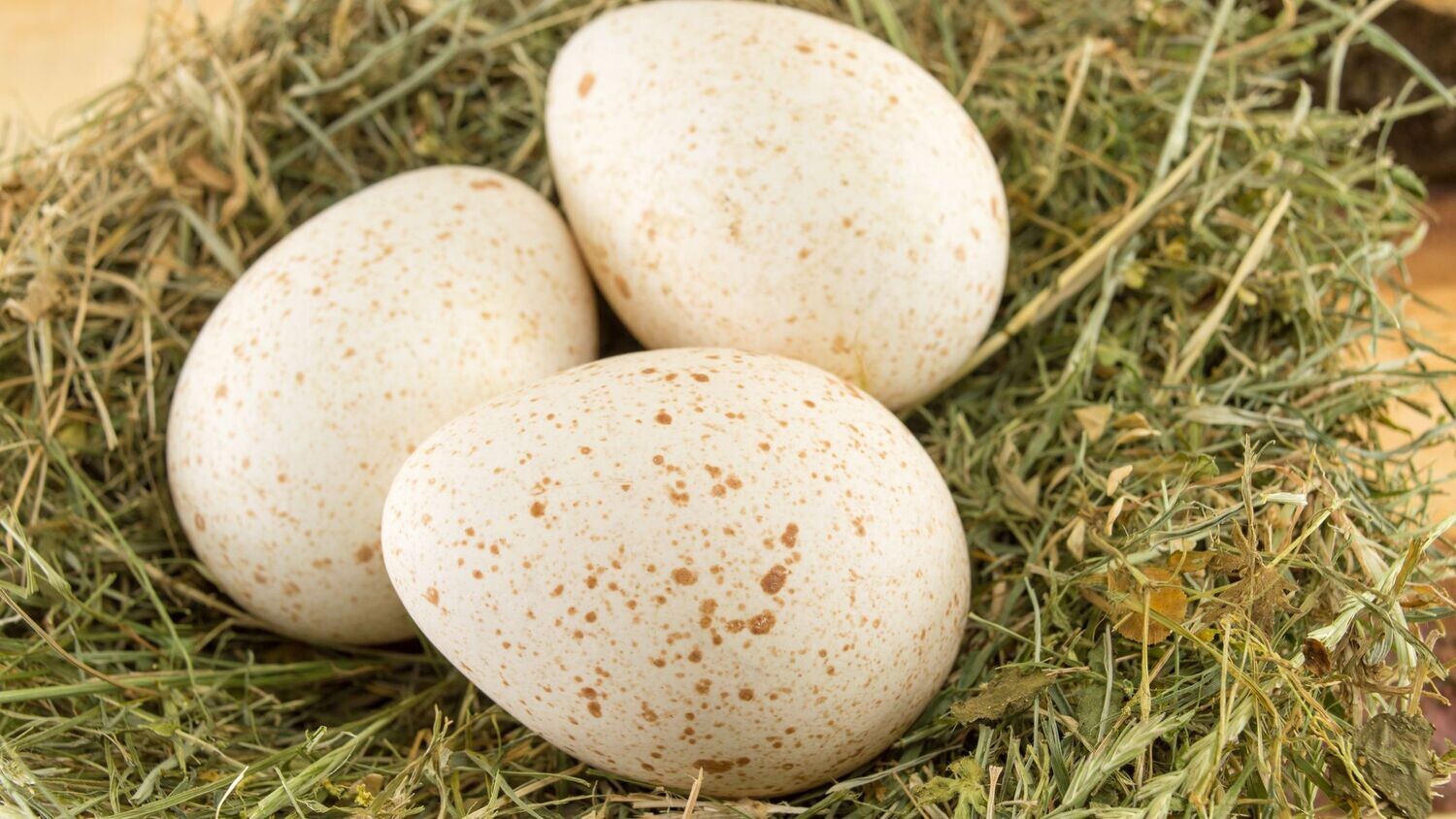
Turkey eggs are the same size as a duck egg. They are white or cream in colour and speckled with brown. The proportion of white to yolk is around 60% white, 40% yolk which makes the egg great for eating cooked whole.

The turkey egg is milder than a duck egg but a little richer than a hen’s egg. They make a really good baking egg, or whenever a larger egg and yolk is required. Not as rich or strong tasting as a duck egg.

In season from March to July.

Soft boil: 4 to 5 minutes
Hard boil: 10 to 11 minutes 

Goose Eggs

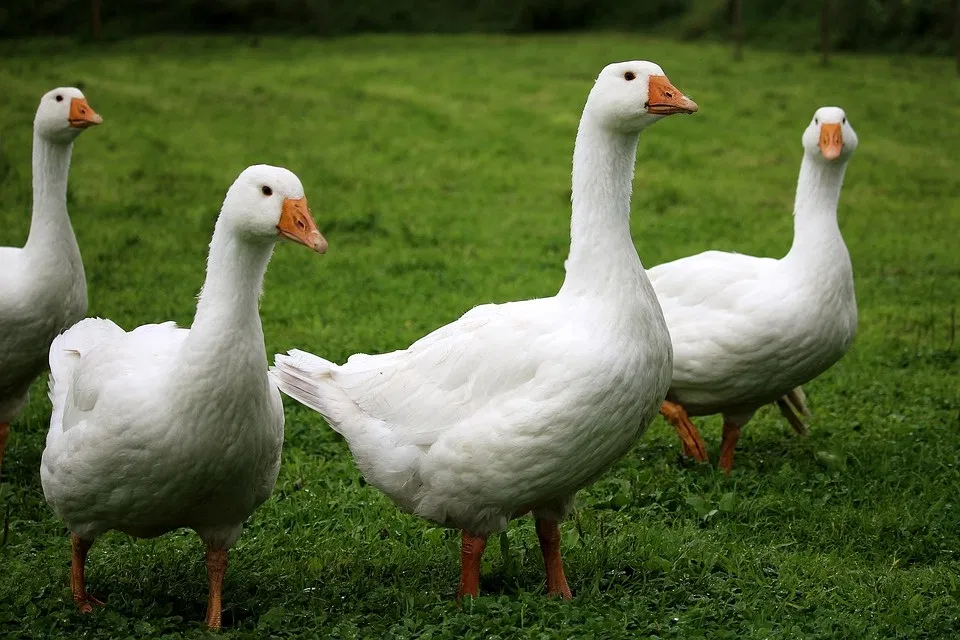
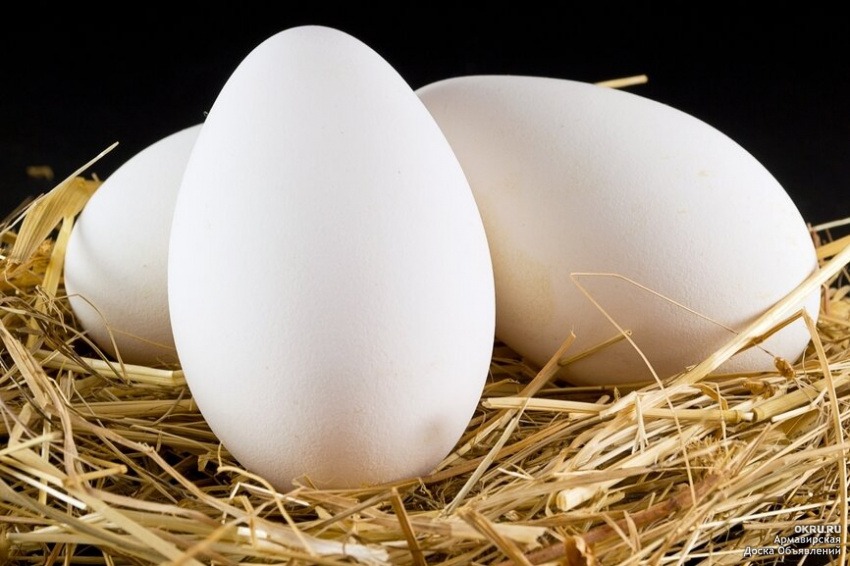
Goose eggs are twice the size of hen eggs.

They have a bold, and rich flavour. A particular characteristic of goose eggs are the white has a firm texture when cooked.

The size of a goose egg makes them perfect as a one egg omelette. Goose eggs are also delicious scrambled, especially when a little truffle is added.

Not usually available year round, they can be purchased from late February to June.

Soft boil: 9 to 10 minutes
Hard boil: 13 minutes 

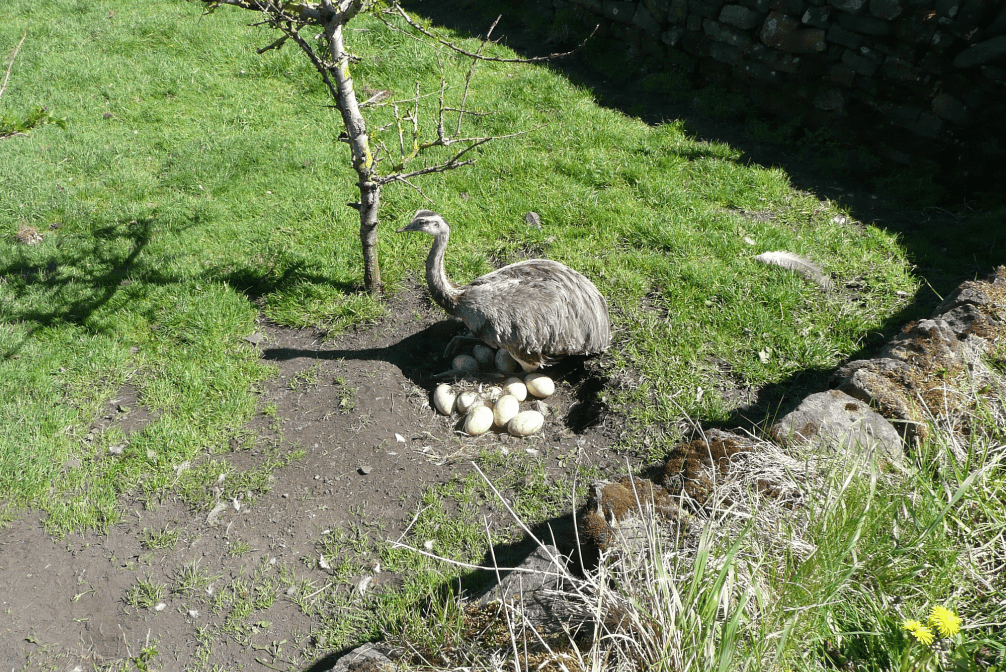
Rhea Eggs

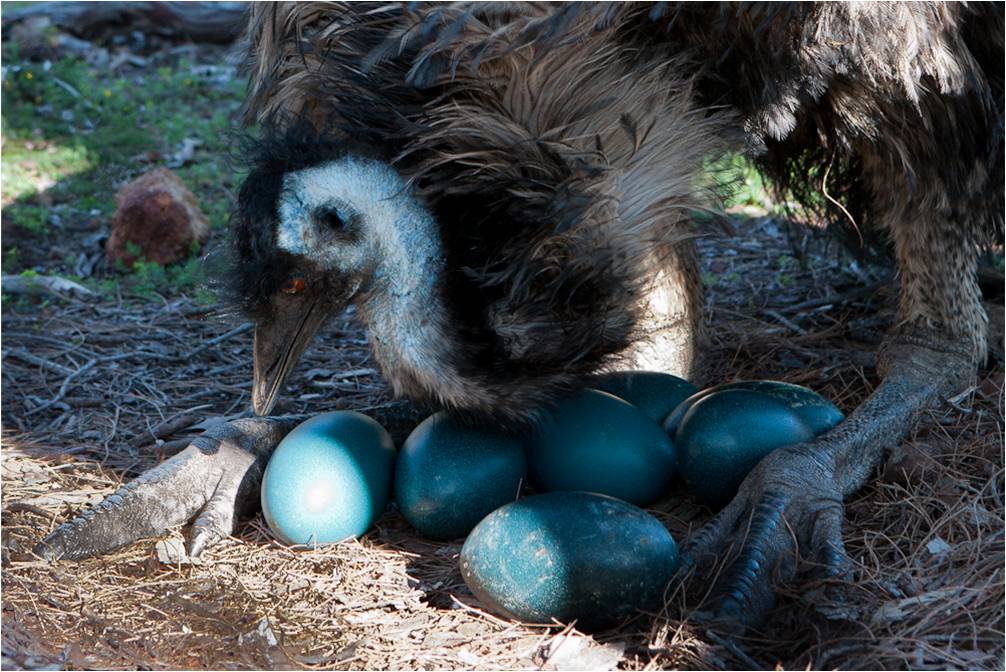
Emu Eggs

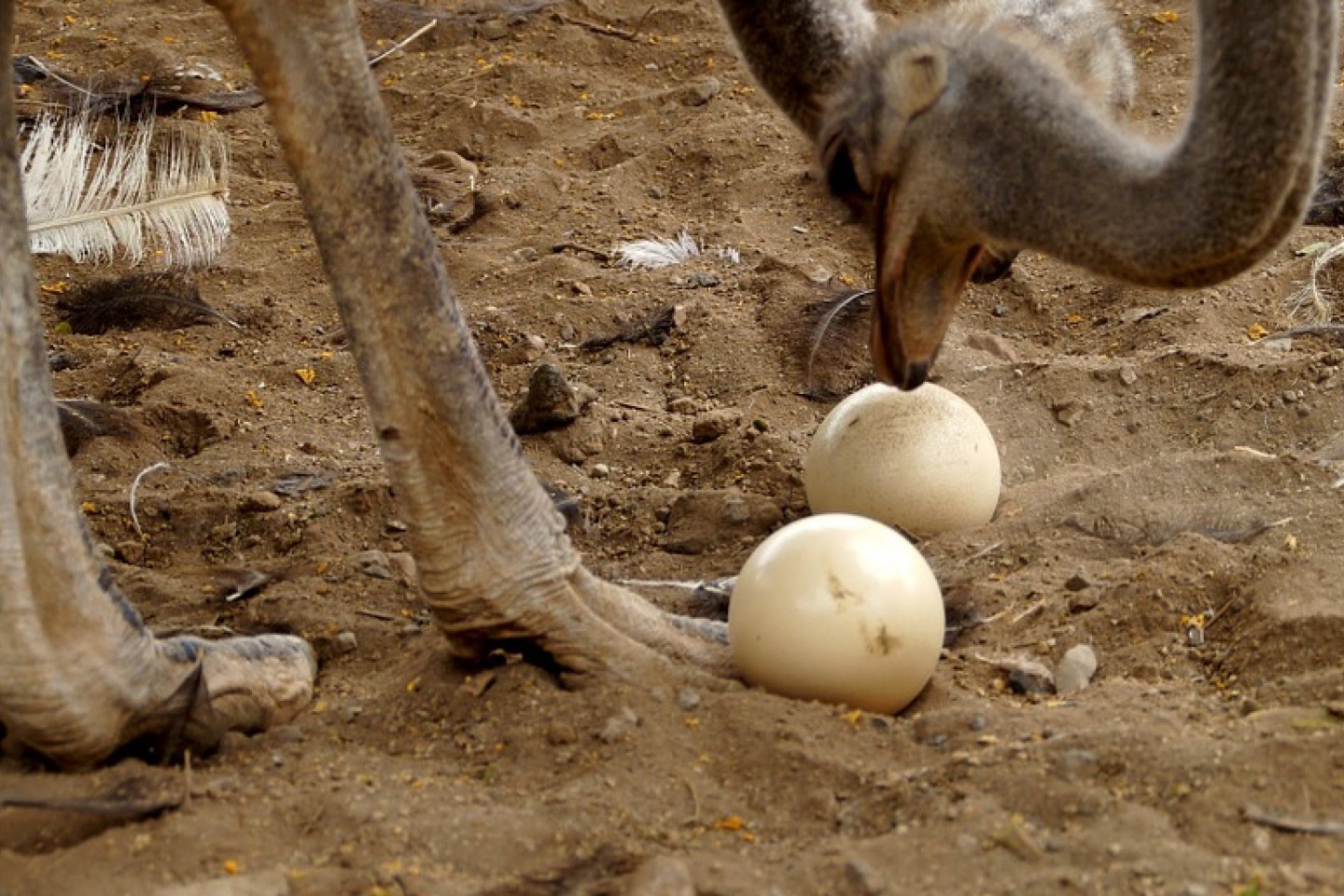
Ostrich Eggs

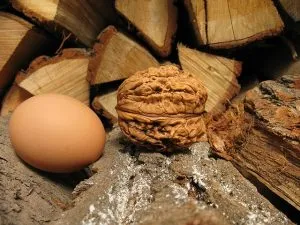
The last three available bird’s eggs lead into the realms of fantasy. They are correspondingly so large, and difficult to access their use is very limited.

Rhea egg is equivalent to 10 hens’ eggs. Available from March to June.

Emu egg is equivalent to one dozen hens’ eggs. Available from December to May.

Ostrich egg is equivalent in size to two dozen hens’ eggs. Available from April to August.

The yolks are correspondingly large too. Just imagine any of these eggs soft boiled with  buttery soldiers, I think not!

Let's Talk about Eggs in Baking

Eggs are an important and integral part of baking. This is because a single egg can be used as an ingredient in three ways; using the white, the yolk, and the yolk/white combined.

Each of the three have different functions which act upon ingredients in different ways to produce completely different results.

As previously shown, eggs come in many shapes and sizes, and can function in similar ways, not always successfully in the different areas of Baking.

This is due to the size of yolks/whites used, and the fat content of yolks being used. Take care when you substitute different birds’ eggs in your recipe.

As chicken (hen) eggs are mostly used in baking this is the egg I will concentrate on from now on. The science though is the same apart from size.

The breakdown of an egg is:

12% fat
13% protein
73% water
2% minerals, etc.
There are approximately 80 calories in a large egg.

The white makes up about 66% of the liquid weight of any hen’s egg. The yolk about 34%.

Egg proteins change when they are heated, beaten, and mixed with other ingredients. To understand how eggs work as an ingredient these changes must be understood. So, let’s do that. 

White of Egg - The Science

Protein in egg whites are long chains which twist and curl in and around themselves into an unstructured spherical shape. Weak chemical bonds hold the chains together loosely in the surrounding water.

By heating these chains they are agitated which break apart the loose chemical bonds. The protein chains begin to unravel. As they bump into each other the long chains bond together and form a lattice structure. The water is trapped within.

If you continue to apply heat for too long, the lattice structure continues to form. More layers which just get tighter and tighter.

Guess what happens to the egg white?

It becomes rubbery and not very nice to eat. So do be aware of this trait when boiling your egg.

How does the mechanical action on egg whites differ from heating?

Water within the egg white is agitated which breaks apart the chemical bonds.

The protein chains unravel, and the long chains bond together in a lattice structure. This time though they hold an air bubble within.

So, beating incorporates air bubbles into the egg protein and water solution.

How can this happen? How can air and water mix?

The protein chains in egg whites contain both hydrophilic, and hydrophobic amino acids. (Water loving, and repelled by water).

The hydrophobic protein strands initially are packed into the centre of the loose spherical shape. The hydrophilic are towards the outside of the spherical shape closer to the water.

As air bubbles are beaten into the egg whites they push upon protein strands and help uncurl them. 

As the lengthening strands hit an air bubble the hydrophobic amino acids bond with other strands making the lattice structure. This time though, they trap the air bubble inside. (A little like a honey comb).

The hydrophilic amino acid strands always point outwards towards the water.

When heat is applied the air bubbles expand increasing volume. The lattice structure is fixed in place.

A bit complicated I know, but all you need to see to understand are the results – a soufflé.

Science behind the Yolk

Food emulsions are generally oil in water with an added emulsifier. To ensure the oil and water remain combined and stable you must turn the mixture into an emulsion Egg yolks are the perfect emulsifier.

How do egg yolks do this?

Egg yolks contain some water repelling, and some water attracting, amino acids. Mix these egg proteins together thoroughly with oil and water, one type will stick to the water, the other type will stick to the oil, making the mixture more stable.

The yolk also contains Lecithin which is known as a phospholipid. This is a fatlike molecule in two parts. The head is water loving while the tail hates water.

I think the action of Lecithin is one of the wonders of science. The tail sticks into a fat molecule while the head pushes through the fat molecules and into the surrounding water. The result? A cell barrier which stops one fat droplet from joining with another fat droplet.

To see the above happening have a go at making mayonnaise. You whisk together a liquid, (vinegar), egg yolks, and mustard. Then you slowly add the oil while whisking constantly. The initial thin, runny egg mixture magically thickens into this luscious, rich, creamy, cold sauce. 

What are the Functions of Eggs in Baking?

Whole Egg

The whole egg is made up of water, protein, fat, and nutrients. Each perform different functions when you bake.

Whole egg adds structure and strength to baked goods. It does this by binding different ingredients together. Then as heat is applied the gelatinous form of the egg sets, assisting structure.

The water content of egg helps the cake to rise. Applied heat makes the water evaporate, and let off steam. This pushes against the batter structure, raising the cake. Whole egg is a leavening agent.

Whole eggs add flavour, colour, and richness to your baking. Every time you bake a cake, all of these functions are shown 

Egg White

The egg white (albumin) is mostly made up of water with some proteins (amino acids). It makes up approximately 2/3rds of the egg. It really has no flavour but its function is to add structure to baking.

The neutrality of flavour really leaves only one function for egg whites, structure.

Egg whites have an ability to be whipped up through beating into a thick white foam. This can be several times the original volume. Adding sugar to this foam increases the strength of it. Meringues are a good example here.

Adding heat to this foam when incorporated into other ingredients, lightens, and acts as a leavener too. Heat develops steam which gives rise to the structure, heat fixes the rise in place. Baking a soufflé highlights these functions. 

Egg Yolks

The last 1/3rd of the egg is the yolk. It is made up of mostly fat, some protein, water, and nutrients. Its main functions are of adding a rich flavour, and colour to baked goods, but also as an emulsifier.

Egg yolks have a high fat content so add richness to baking.

They are emulsifiers so the batter is smoother and more homogenous.

Egg yolks are able to bring together oil and water cohesively through their emulsifying abilities.

Egg yolks give flavour and colour to baking. When added to the batter, and brushed on prior to baking.

Egg yolks thicken mixtures. Easily seen when heat is applied gently to combined milk and egg yolks, you get a delicious custard, or pastry cream. 

Points of Interest When Using Eggs

It is best to use eggs when they are at room temperature. Leave out of the fridge for an hour before use. The whites especially gain in volume when whisked at room temperature. If you forget, quickly drop the eggs into warm water for a short time to take the chill off them.

When breaking an egg to go into other ingredients, break first into a small bowl and then add. It ensures no egg shell will be added. Also, if an egg is sour, you know before it ruins your batter and can be discarded. Rarely happens today unless you are using your own hen’s eggs. Hens have a habit of laying their eggs in challenging places so cannot guarantee freshness.

If concerned about the freshness of eggs, drop into a bowl of cold water. If the egg floats upwards there will be air inside the shell so not very fresh. The fresher the egg the nearer to the bottom of the bowl the eggs will float or settle.

The general guide for using eggs in a sauce is 4 eggs per pint (1/2 litre) of liquid. This applies to all liquids including mayonnaise and crème anglaise.

Make sure all utensils and bowls are clean and grease free if using them to make meringue.

The easiest way to separate yolks from whites is to carefully break the egg into a bowl. Using clean hands to scoop out the yolk. Allow the white to fall back in through your fingers. Err on the side of caution, place yolk in another bowl. Empty the white into a second bowl too. Work on one egg at a time.

If one bit of yolk is left behind in the whites you must discard as they will not whisk up.

If you do get a little egg shell in your egg, use a larger piece of shell to get it out. This works much better than your finger, or a spoon.

When using yolks as a wash, add a little water to thin the egg to make it easier to brush on smoothly.

Make sure the egg part of liquid in the recipe is measured out correctly.

Eggs cannot fully replace other liquids in recipes where a mixture of egg and another liquid is required. The recipe balance must be maintained.

If the egg is the raising agent in your recipe, by substituting another liquid without dealing with the raising part could cause a disaster. 

Subscribe For Updates.

Get the latest tips, recipes, and baking secrets delivered straight to your inbox. Join our community of passionate bakers today!